



Art and Business
Why does a tech company invest in art?
The pace of technological advancement is faster than our ability to comprehend its consequences. New tools, powerful infrastructures, and systems capable of automating complex processes are emerging every day. This scenario requires not only an understanding of what technology can do, but also an understanding of why we use it and what future we seek to contribute to through it.
We at Professional Link believe business has a role to play in answering this question. As a technology service provider, we are also part of a rapidly changing society that requires businesses to take on cultural and economic responsibilities. This vision underpins our commitment to art and culture.
For us, art is not a decorative element or a marginal activity. It is a powerful tool for cultivating critical thinking, imagination, and human sensitivity in a technology-dominated environment. In other words, investing in art means investing in the quality of our future, as a company but also as individuals.
Work Needs Meaning
Workers don’t just seek financial stability. Work occupies a huge part of our lives and profoundly influences how we perceive ourselves and the world around us. For this reason, work requires something beyond the productive dimension: it requires meaning.
If time spent in a company is perceived as a simple exchange between performance and salary, work gradually loses its human value. People simply perform tasks, but cease to truly contribute to the growth of the organization and society.
Conversely, when a company recognizes the importance of culture, beauty, and creativity, work becomes a space for personal and collective growth, and it is in this context that art and business can meet.
Art introduces elements into the workplace that are often missing in traditional organizational systems: ambiguity, interpretation, freedom of thought, the ability to imagine alternatives… All essential elements for facing a complex future.
Art as a tool for imagining possible futures
The artist observes the present and gathers stimuli, combining them with their own experience and transforming them into a work capable of evoking new scenarios. In this process, art becomes a language that anticipates the future. In contrast, business must make concrete decisions and transform ideas into action. Providing direction and solutions is its role as an economic and social actor.
Art and business dialogue creates a fertile ground for reflection: on the one hand, the ability to imagine possible worlds, on the other, the responsibility to create them.
Digital transformation and artificial intelligence have heightened the importance of this dialogue. Technologies are redefining entire economic sectors and changing the way we work, communicate, and produce knowledge. However, technology has no intrinsic direction; it has no values, intentions, or visions of the future. These elements belong exclusively to human beings.
What no technology can replicate is human experience, intuition, sensitivity, and the ability to attribute meaning to things. This is why art continues to be of enormous value even in the midst of the digital revolution, because it fuels the intangible dimension that enables innovative thinking.
Culture as a strategic investment for a business
Culture can become a truly strategic investment for companies. Organizations that integrate the cultural dimension into their processes more easily develop certain capabilities:
- Interpret complex phenomena
- Develop innovative solutions
- Manage change
- Develop people
- Build strong organizational identities
The artist’s creative process offers a surprisingly effective metaphor for describing innovation within companies. The artist gathers information from diverse contexts, reworks it through their sensitivity, and synthesizes it into something new.
Similarly, corporate innovation arises from the ability to acquire, organize, and reinterpret knowledge from multiple sources.
For this reason, at Professional Link, we consider culture an investment in human capital. Enriching people’s cultural background means broadening their perspective on reality and thus improving the organization’s ability to innovate.
Art in PLINK’s corporate life
Over the years, Professional Link has chosen to integrate art into its daily life. Corporate culture through various initiatives.
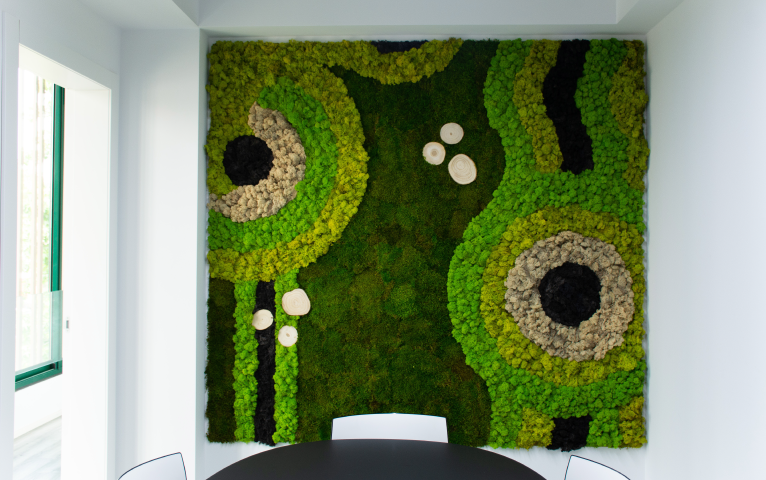
Our offices host numerous works of art, transforming workspaces into environments where beauty is part of the daily experience. Alongside the artworks, we also promote cultural activities for our employees:
- Seminars dedicated to the history of art
- Music workshops
- Meetings with artists
- Guided tours of exhibitions and museums
- Team-building experiences in artistic settings.
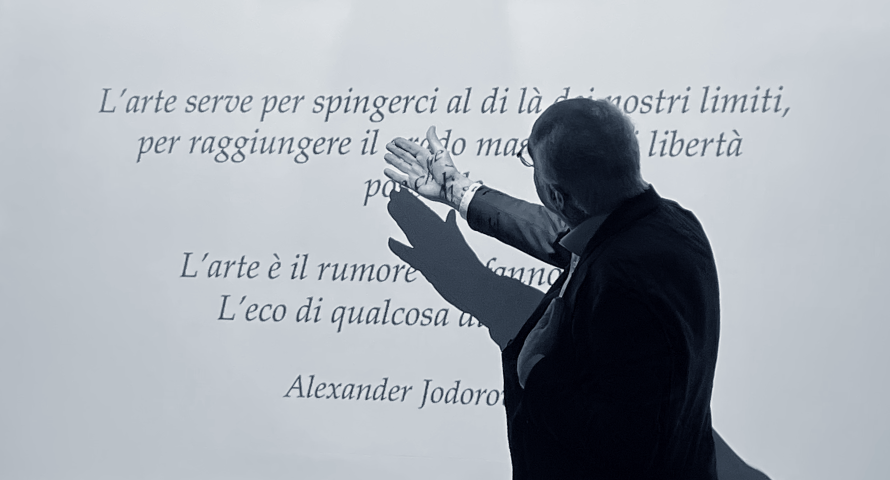
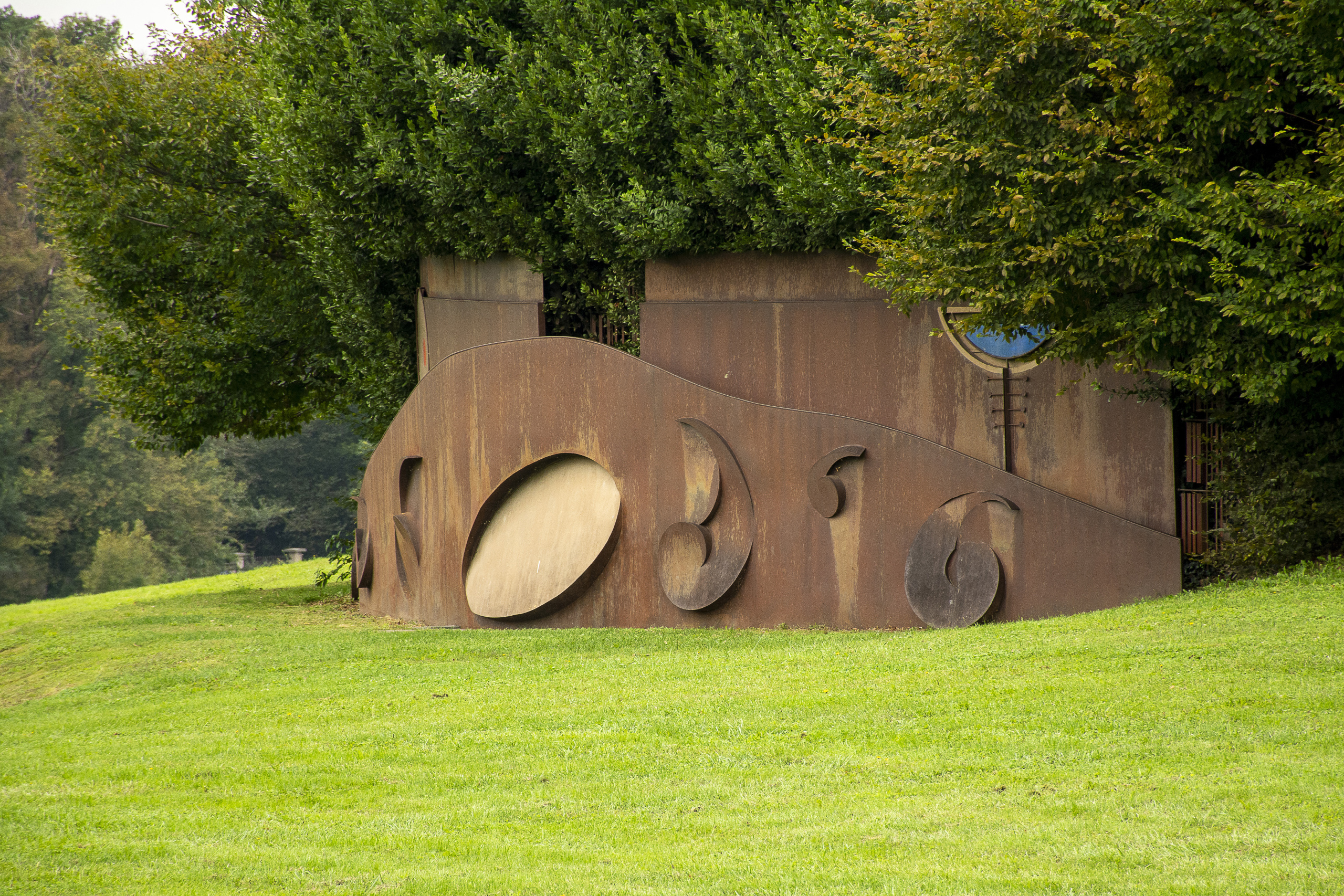
These initiatives include, for example, the team-building event organized at the Rossini Art Site in Briosco, a contemporary sculpture park where art and nature interact in a unique way.
On other occasions, we have hosted artists at our offices for live performances, such as the artist Afran, who performed a live performance (LINK) directly in our company space.
Professional Link also supports art events and exhibitions, contributing to the dissemination of culture throughout the region.
At PLINK, we believe that art has an educational and social function, influencing the way people observe reality and thus, over time, contributing to improving society.
Art and business, technology and young people
When considering the next generation, the relationship between art and business becomes even more crucial. Today, signs of distress among young people are increasingly evident. Anxiety, a sense of inadequacy, distrust of the future, and constant pressure to perform are widespread phenomena that cannot be reduced to simple individual frailties. We live in a social system that requires young people to make decisive decisions in a context characterized by economic instability, rapid technological transformation, and increasingly unclear career paths. Many young men and women therefore enter the world of work feeling that the future is uncertain and difficult to predict.
Companies demand flexibility, initiative, and the ability to learn quickly from young people. But to achieve these qualities, they must first create environments where people feel valued, respected, and listened to. It’s not enough to offer a competitive salary, which remains the fundamental basis; we must restore meaning to work. This means designing environments where people can grow, express their ideas, and develop their human potential.
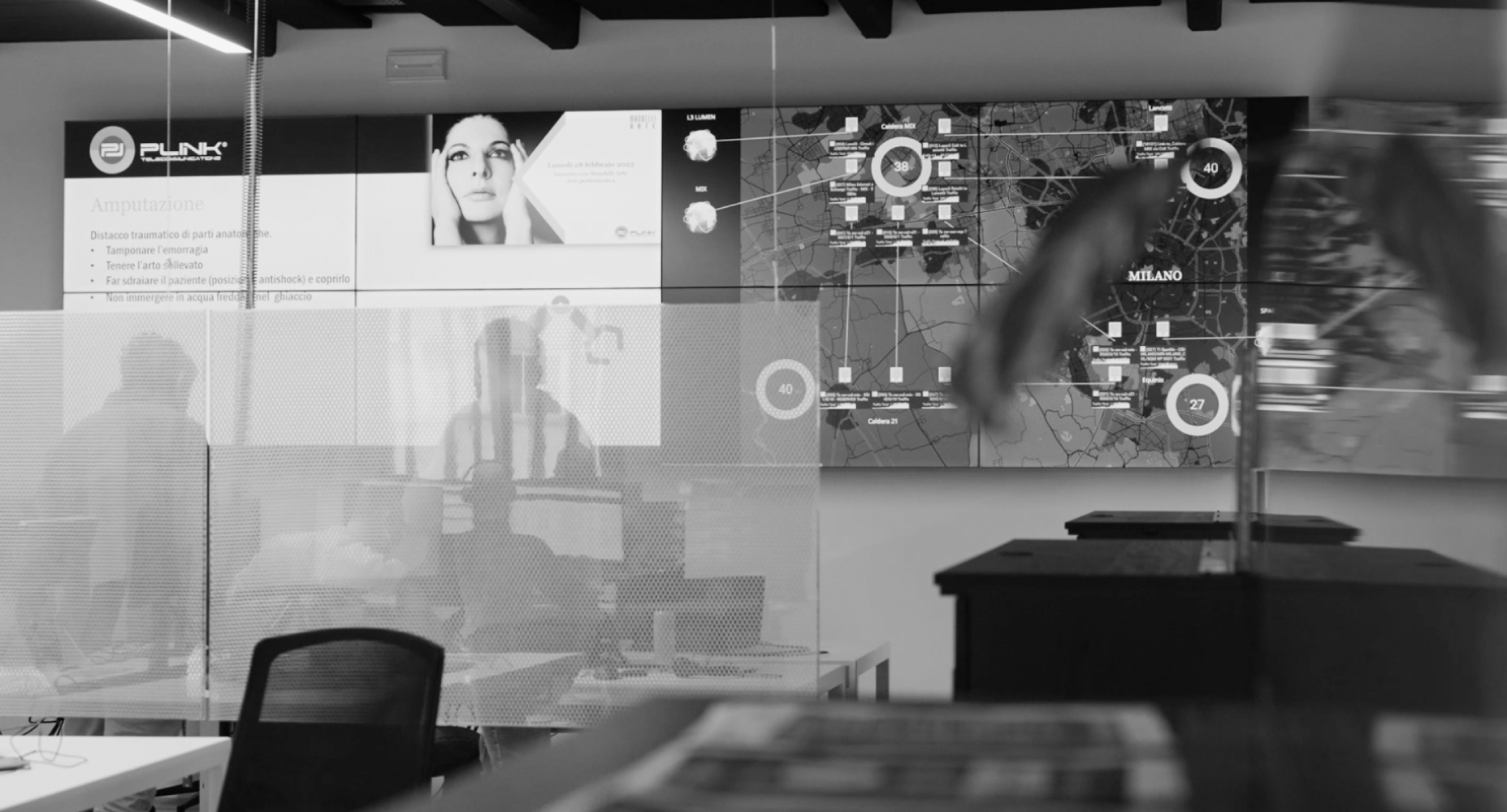
At Professional Link, people come before technological infrastructure. Technology is a powerful tool, but it remains just a tool. Our true value comes from people.
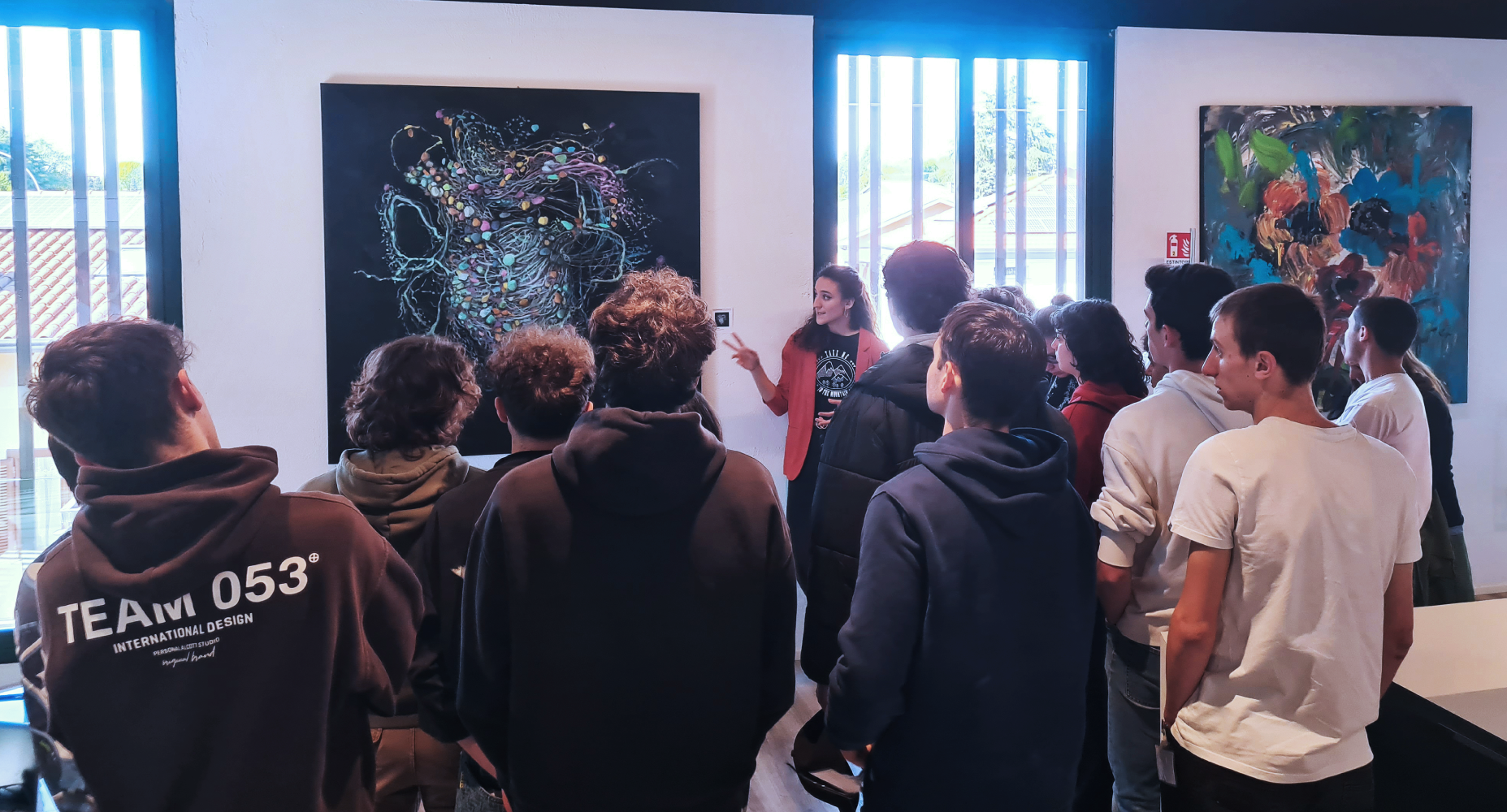
Dialogue with schools
As part of the Euler Project, we initiated a direct dialogue with high school students, meeting numerous times with fourth- and fifth-year classes from high schools and vocational schools. During these meetings, we discussed the future, work, art, and the role of culture in business.
Discussions with students revealed a certain concern for the future: many young people fear failure, job uncertainty, and the loss of humanity in a world increasingly dominated by technology. On the other hand, we perceived a strong desire to find meaning and direction. These meetings confirmed the importance of building a dialogue between schools and businesses to imagine and design more sustainable and humane development models.
A company that invests in culture invests in its future.
Technologies change rapidly, but what truly guides us is people’s ability to attribute meaning to the transformations they are experiencing. For this reason, Professional Link continues to invest in culture, art, and beauty. We believe these elements can contribute to building more creative, stimulating, and human work environments—environments where technological innovation and personal growth thrive together.
Subscribe to the PLINK newsletter
If you’re interested in topics related to the relationship between art and business, technology and young people, and new work organizational models, you can continue to follow us through our newsletter.
We share insights, projects, and initiatives born from Professional Link’s experience and from dialogue with the worlds of culture, education, and business.